Welcome to ST KITCHEN, an original series from ST Eats. This series delivers story-led recipes from our favorite restaurants, creators and our Sunday's Table test kitchen. We will be exploring the regional influence throughout the US and beyond.
FAMILY RECIPES

RICOTTA AND VEAL MEATBALLS
This is an easy recipe that can be done in less than one hour, but taste like it was cooking all morning. These meatballs can be served on their own, over pasta or on pizza (special recipe coming soon!).
PIZZA RECIPES

AMERICA'S PIZZA HERITAGE
Pizza, by definition, is Italian. Beginning in the late 19th century, Italian immigrants from all over Italy started to arrive in the United States. Many of them brought recipes with them from their local towns and their Nonna’s kitchens. As they settled in their new cities across the country, they started to bake unique types of pizzas that slowly became part of their new local cuisine. However, prior to Lombardi’s Pizza opening in Manhattan in 1905, this Italian food was mostly confined to home kitchens or church kitchens. Many have recognized Lombardi’s Pizza as America’s first pizzeria and restaurant to sell this Italian staple. Fast forward to today and pizza is as American as it is Italian. Today, there is a pizzeria in just about every town across America in the form of a mom and pop shop or a national chain. What is so great about pizza is that it comes in many different shapes and sizes, with a variety of different toppings and it enjoyed by everyone, young and old.
ITALIAN PIZZAS

NEW HAVEN STYLE
YOUNGSTOWN STYLE
NEW HAVEN STYLE
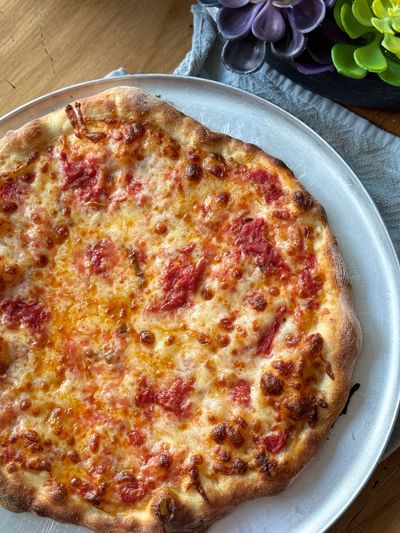
New Haven-style pizza, or apizza, is a coal-fired masterpiece born from the Italian-American ovens in the early 1900's of Connecticut. It has a distinct, chewy and char crush. It's roots are traced to Frank Pepe’s Pizzeria Napoletana, established in 1925. This style is famous for two specific pies - the tangy tomato pie, and the legendary white clam pie—a briny, garlicky innovation. Unlike typical pizzas, Check out our recipe for your home oven.
DETROIT STYLE
YOUNGSTOWN STYLE
NEW HAVEN STYLE
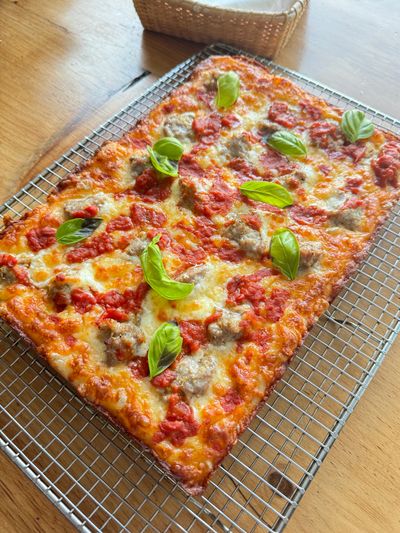
Detroit pizza has become much more popular in recent years as chefs across the country have opened their own renditions of this midwestern classic. The story goes, a worker on a car factory lines in Michigan borrowed a steel pan used to hold nuts and bolts to make pizza at home. It turned out that this deep dish steel pan would be the foundation of this soft airy and crispy cheese edge pizza.
YOUNGSTOWN STYLE
YOUNGSTOWN STYLE
YOUNGSTOWN STYLE
Youngstown pizza has a very old history as Italians migrated to northern Ohio in the late 1800's. Many of those immigrants came over from the Basilicata region of Italy and brought focaccia recipes that became the foundation for this unique style of pizza. It wasn't until the 1930's that this style started to gain in popularity within the region. This minimalist style of pizza was an output of limited resources. But there is no limit to the flavor.
Youngstown Brier Pizza: A hearty pizza with humble roots.
In Youngstown, Ohio, pizza is as beloved as the Youngstown State Football team. Before wood-fired Neapolitan pies found their way to American restaurants, Brier Pizza was THE pizza of Youngstown, Ohio. Like so many foods that came to America by way of immigrants, the city’s Italian immigrant community in the Brier Hill neighborhood created this local specialty: Brier Hill Pizza — a fluffy dough, sweet, tangy sauce and topped with sharp Pecorino Romano cheese. Created by the working-class families who settled in the Brier Hill section of Youngstown, these immigrants from the Abruzzo region of Italy, combined tradition with necessity. Legend has it, that every Sunday at St. Anthony's Church, parishioners would make hundreds of these pies, to sell at a low price to feed the community. At the time, Mozzarella was a luxury few could afford, so the shinning star of this pizza was the Pecorino Romano cheese, which heightens the flavor of the sauce. Over time this pizza made its way to home kitchen throughout the north east region of Ohio and into many restaurants.
Here is a simple home version that will not disappoint.
Brier Hill Pizza Recipe (Serves 4–6)
Ingredients:
- For the dough:
- 2 ¼ tsp (1 packet) active dry yeast
- ¾ cup warm water (about 110°F)
- 1 ½ cups all-purpose flour
- 1 tsp salt
- 1 tbsp olive oil
- For the sauce:
- 1 can (15 oz) crushed tomatoes
- 2 cloves garlic, minced
- 1 tsp dried oregano
- 1 tsp sugar
- Salt and pepper to taste
- 1 tbsp olive oil
- Toppings:
- 1 Cubanelle pepper (or a small green pepper), sliced thin
- ½ to ¾ cup grated Romano cheese (Pecorino Romano preferred)
- Variation: a few anchovies or olives
Instructions:
- Make the dough: In a bowl, dissolve yeast in warm water and let sit for 5 minutes. Stir in flour, salt, and olive oil. Knead until smooth and elastic, about 5–7 minutes. Cover and let rise for 1 hour or until doubled.
- Prepare the sauce: In a saucepan, heat olive oil and sauté garlic until fragrant. Add tomatoes, oregano, sugar, salt, and pepper. Simmer 20 minutes until slightly thickened.
- Assemble: Preheat oven to 425°F. Roll out dough and fit it into a lightly oiled baking sheet or pan (traditionally rectangular). Spread sauce evenly over dough. Top with roasted peppers and a generous sprinkle of Romano cheese.
- Bake: 15–20 minutes or until crust is golden and crisp at the edges.
- Serve: Slice into squares — just like they do in Brier Hill — and serve warm or at room temperature.

Authentic New Haven Apizza: Is New Haven Apizza the best?
New Haven-style pizza, affectionately known as "apizza" (pronounced ah-beets), is a cherished culinary tradition originating from the Italian-American community of New Haven, Connecticut. This distinctive style dates back to the early 20th century and is renowned for its thin, crispy crust, charred to perfection in coal-fired ovens. Frank Pepe Pizzeria Napoletana, established in 1925, is credited with popularizing this beloved pizza, particularly its iconic white clam pie. Unlike traditional pizza, New Haven apizza often eschews heavy toppings in favor of simplicity and bold flavors, making it a must-try for any pizza enthusiast. Whether you prefer classic tomato pies or inventive variations, New Haven-style pizza embodies a rich history and a commitment to quality that has stood the test of time.
This New Haven-Style Pizza (Apizza) recipe delivers on the slight char, thin crust and big tomato flavor.
New Haven-Style Apizza Recipe
Makes: Two 12-inch pizzas
Prep Time: 24 hours (including dough fermentation)
Cook Time: 7–10 minutes per pizza
Ingredients
For the Dough (cold fermented for best results):
- 3 ¾ cups (480g) bread flour
- 1 ½ tsp salt
- 1 tsp sugar
- 1 tsp instant yeast
- 1 ⅓ cups (320ml) cold water
- 1 tbsp olive oil (optional)
For the Sauce:
- 1 cup canned crushed San Marzano tomatoes
- 1 clove garlic, minced
- 1 tbsp olive oil
- Salt to taste
- Pinch of oregano (optional)
For the Toppings (classic tomato pie):
- Grated Pecorino Romano cheese
- Fresh mozzarella (optional; New Haven tomato pies often don’t use mozzarella)
- Olive oil for drizzling
- Optional: fresh basil or anchovies
Cooking Instructions
1. Make the Dough (at least a day before, but a cold 72 hour fermentation is ideal)
- Mix flour, salt, sugar, and yeast in a large bowl, or stand mixer.
- Add cold water and olive oil (if using). Mix until a shaggy dough forms.
- Run the stand mixer on low for 3-4 minutes until the ingredients are fully incorporated.
- Increase speed a bit and run for another 3-4 minutes.
- Remove and form a ball and place in an airtight, lightly oiled container.
- Cover and refrigerate for at least 24 hours, but 72 hours will create the best flavor.
2. Make the Sauce
- Mix crushed tomatoes with minced garlic, olive oil, salt, and oregano.
- No cooking needed—just set aside for topping.
3. Preheat Oven
- Preheat a pizza stone or steel in your oven at the highest temperature (ideally 500–550°F) for at least 45-60 minutes.
4. Shape the Dough
- Remove dough from fridge 1 hour before prepping. .
- On a floured surface, stretch dough into a very thin, roughly 12-inch round. Don't worry if the shape isn't perfect, it shouldn't be.
5. Top and Bake
- Lightly top with sauce
- Sprinkle Pecorino Romano - has to be Romano.
- Add mozzarella but do not overload it. 2 handfuls max.
- Top with additional ingredients.
- Drizzle lightly with olive oil.
- Bake on the stone or steel for 7–10 minutes until the crust is blistered and charred in spots.
6. Serve
- Slice into random sized wedges which is pretty classic in New Haven.
Detroit Style Pizza: A Cultural and local Tradition
This pizza represents everything about the adaptability of Italian Americans. This Italian American take on pizza, really does blend the best of the immigrant roots with American culture. The story goes that a gentlemen who worked on the factory line took home a steel pan that was used to hold nuts and bolts. He married an almost focaccia-like recipe and some olive oil with the heavy steel pan and the result is the crunchy cheese crust with a light airy dough and rich tomato sauce. The unique racing-stripe sauce on top might represent the tire tracks of the auto plants it originated from and the use of Wisconsin brick cheese is as American as it gets.
Serves: 4–6
Pan: 10×14-inch Detroit pan or heavy steel pan
Ingredients
Dough
- 2¼ tsp (1 packet) active dry yeast
- 1 cup warm water (105–110°F)
- 2½ cups bread flour
- 1 tsp sugar
- 1½ tsp kosher salt
- 1 tbsp olive oil (plus more for pan)
Cheese
- 8 oz Wisconsin brick cheese (ideal), cut into ½-inch cubes
Sub: 50/50 low-moisture mozzarella + mild white cheddar
Sauce
- 1 cup crushed tomatoes
- 1 tsp olive oil
- ½ tsp dried oregano
- ½ tsp garlic powder
- Salt to taste
Instructions
- Make the dough:
Dissolve yeast and sugar in warm water; bloom 5 minutes. Mix in flour, salt, and olive oil until shaggy. Knead by hand or mixer 5–7 minutes until smooth and tacky. Cover and rise 1½–2 hours until doubled. - Pan & proof:
Generously oil the pan (2–3 tbsp). Stretch dough into the pan; if it resists, rest 10 minutes and stretch again to corners. Cover and proof 30–45 minutes. - Heat oven:
Preheat to 500°F (rack low-middle). - Top:
Press dough lightly to edges. Add pepperoni (if using), then spread cheese evenly all the way to the pan edges to create the signature frico. Spoon sauce in two or three stripes on top. - Bake:
Bake 13–15 minutes until cheese edges are deeply caramelized and bottom is crisp. If needed, finish 1–2 minutes longer. - Finish & serve:
Rest 3 minutes, loosen edges with a spatula, lift out, slice into squares.